AquaQi for Freediving
Freediving just became much softer.
AquaQi brings the propulsion concept of a monofin into a soft fabric system — creating a different way to explore depth, body wave and continuous underwater movement.
Instead of attaching a rigid blade to the feet, AquaQi creates a responsive surface around the legs that begins much closer to the hips and continues beyond the toes.
For freedivers, that means another option in the equipment bag: soft, compact, highly portable and designed around the movement of the body itself.
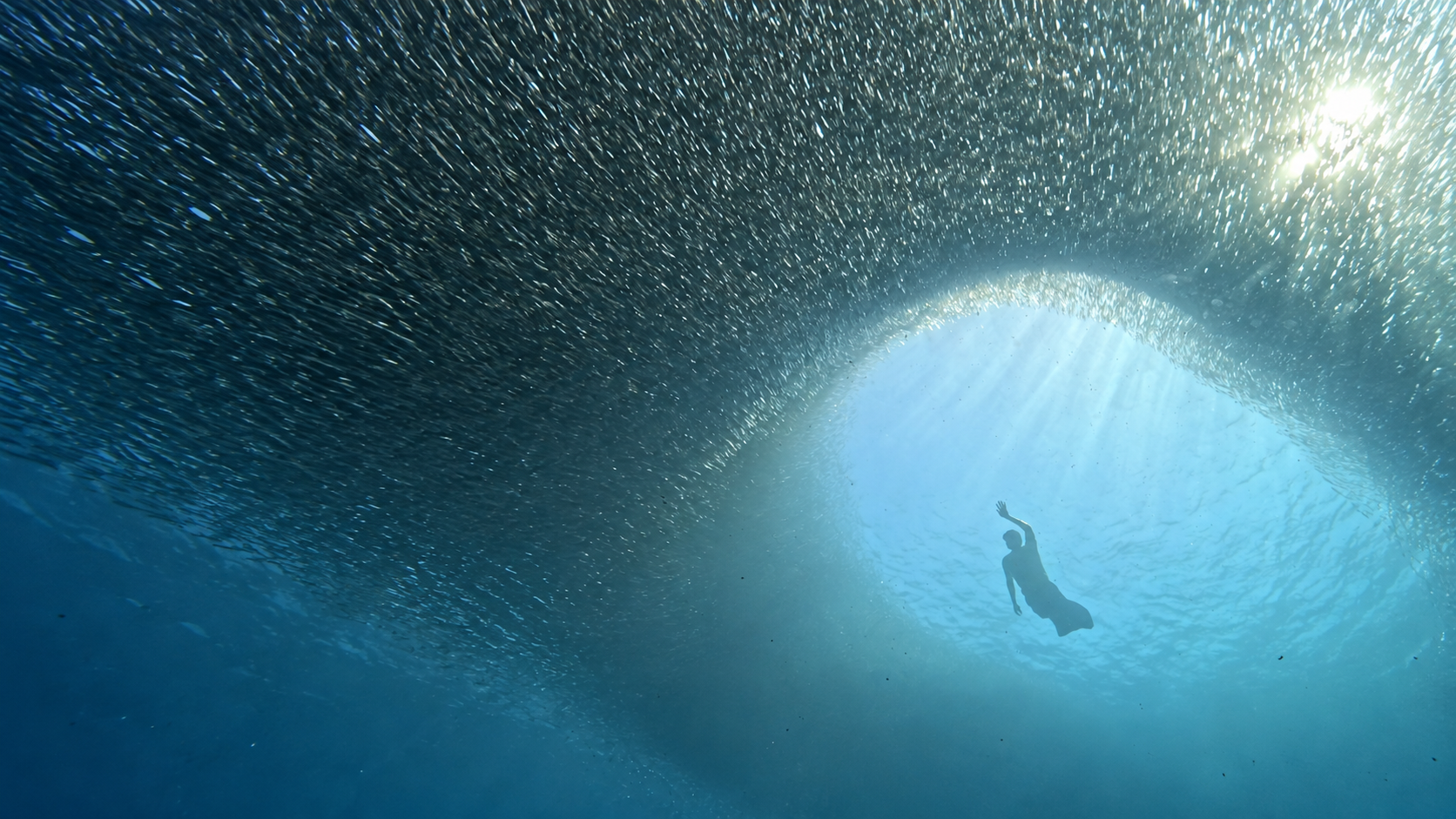
Soft Power
Soft in the hand. Active in the water.
AquaQi does not rely on a hard blade to create a working surface.
As the body moves, the fabric opens, tensions and loads against the surrounding water.
The result is a fin system that can remain physically soft while still creating meaningful resistance for body-wave propulsion.
Move From the Center
The fin begins before the feet.
Conventional fins place the obvious working surface at the end of the legs.
AquaQi begins creating usable fabric surface much higher on the body.
The wave can begin through the upper body and spine, pass through the core and hips, continue through the legs and then travel through the fabric.
Chest → Core → Hips → Legs → Fabric
Depth & Rhythm
Less hardware. More body.
Freediving already places unusual importance on rhythm, efficiency and awareness of unnecessary tension.
AquaQi approaches propulsion through the same body-wave language: rather than asking the feet alone to move the diver, the system invites the entire body to participate in the sequence.
That makes AquaQi especially interesting for divers who enjoy exploring slower, smoother and more continuous movement rather than treating propulsion only as repeated fin strokes.
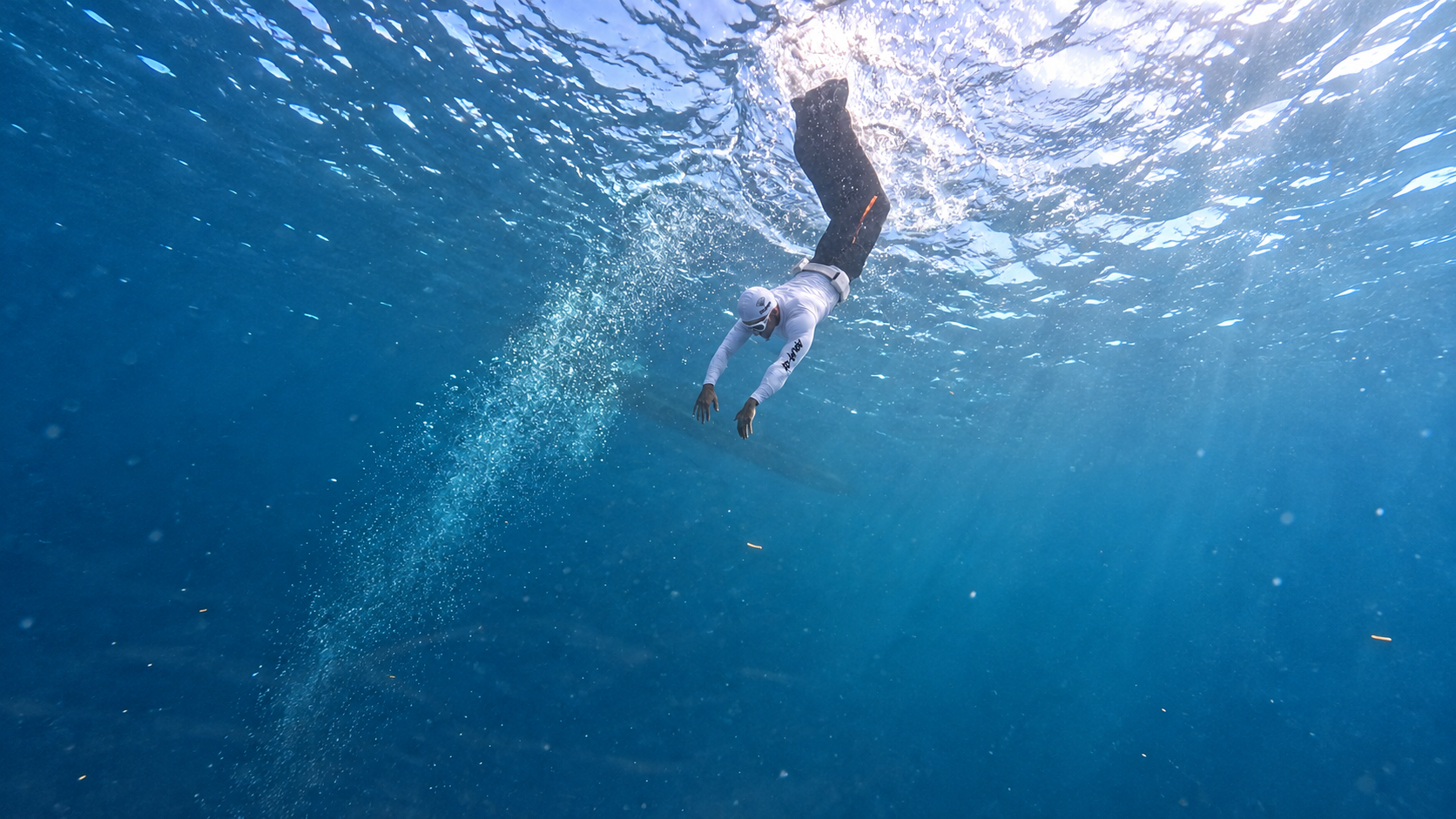
Surface to Depth
The working surface can engage early in the descent.
A surface dive is one of the clearest places to notice the difference between AquaQi and a fin that works only at the feet.
With conventional fins or a monofin, the blade becomes useful once enough of the feet and fin are submerged.
AquaQi places working fabric much higher around the hips and thighs.
As the diver folds into the duck dive and the upper body moves below the surface, that higher fabric section can already begin interacting with the water.
Instead of waiting for propulsion to reach the feet, the HydroFlow surface can engage progressively as the body enters the descent.
Feel the Water
The fabric gives the diver something to read.
AquaQi changes continuously with the movement of the diver.
Pressure increases. Fabric tensions. The surface softens. The loading changes.
Those changes can be felt along the legs, giving the diver another physical reference for rhythm, body-wave timing and the relationship between movement and water resistance.
Another Option in the Gear Bag
It does not have to replace your fins.
AquaQi can be the main system for a session, a second way to train, or simply a backup option.
A freediver may still love long fins, a monofin or another familiar setup.
AquaQi gives that diver another movement experience without requiring them to abandon the equipment they already use.
Bring both. Choose in the water.
Made to Travel
Depth equipment without the long blade.
Long fins and monofins can become a major part of the travel plan.
AquaQi is built from soft fabric, so it can fold down rather than demanding the length and rigid protection of a traditional blade.
That makes it easy to add to a dive trip, flight or training bag as a primary system, an additional option or a backup.
Pack the trip. Add AquaQi. Decide later.
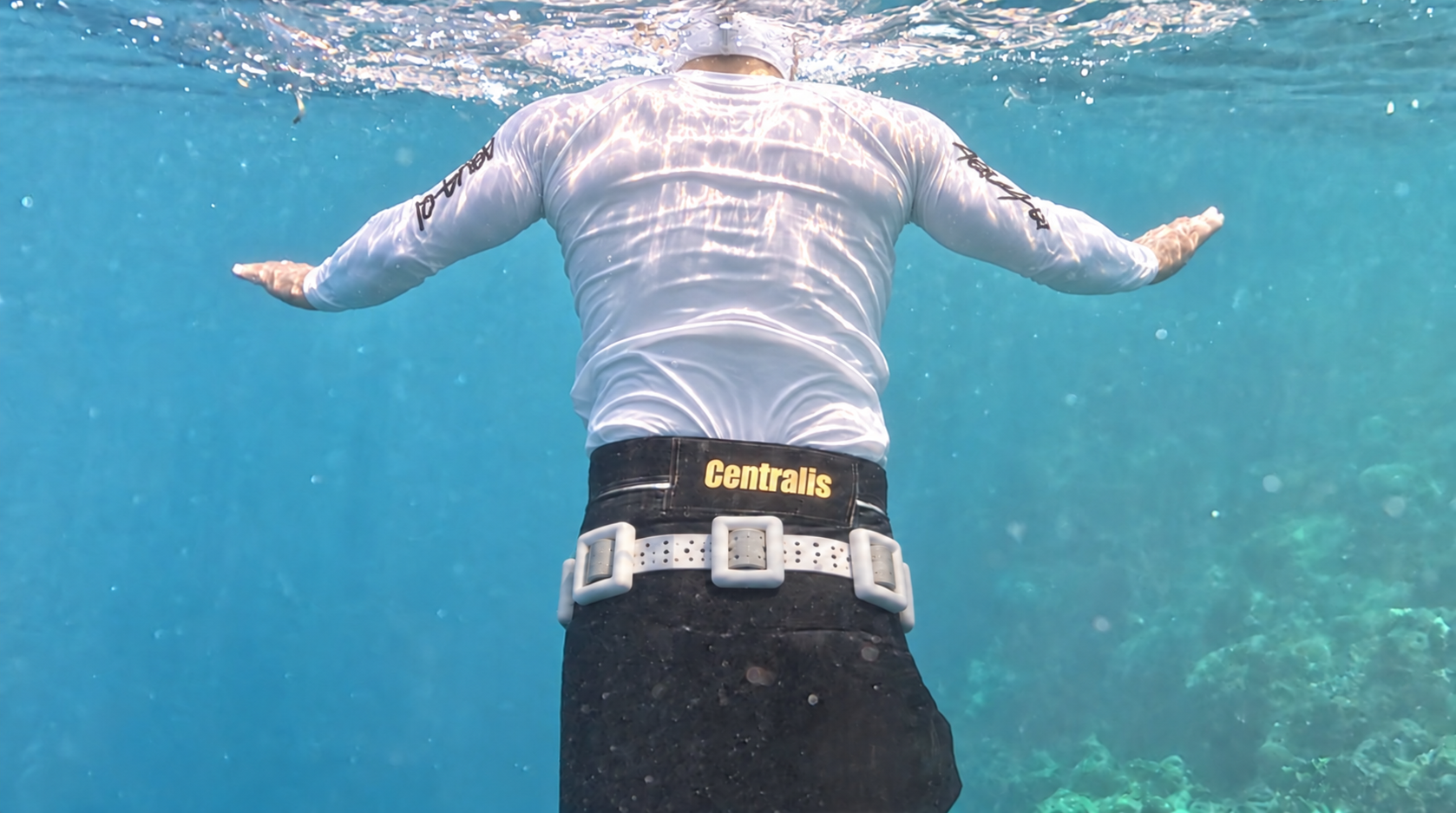
Stay in the Water
When rigid fins stop feeling good, the session does not have to stop.
Long fins can sometimes become uncomfortable during an extended day in the water.
Foot pockets, pressure points or simply hours of wearing rigid equipment can change what a diver wants to use later in the session.
Instead of returning to the beach simply because the fins have become unpleasant to wear, AquaQi can offer a softer alternative already waiting in the gear bag.
Different equipment. Same water day.
Open-Water Visibility
Color becomes useful above the surface too.
AquaQi is available in visible skirt colors that can create a large visual area in the water.
In open-water sessions, a bright skirt can give buddies or friends another visual reference for identifying the swimmer at or near the surface.
Reflective pull details add another point of visibility when light is limited or equipment is being located before or after the swim.
It is not a substitute for normal open-water safety practice — simply another practical visual feature built into the system.
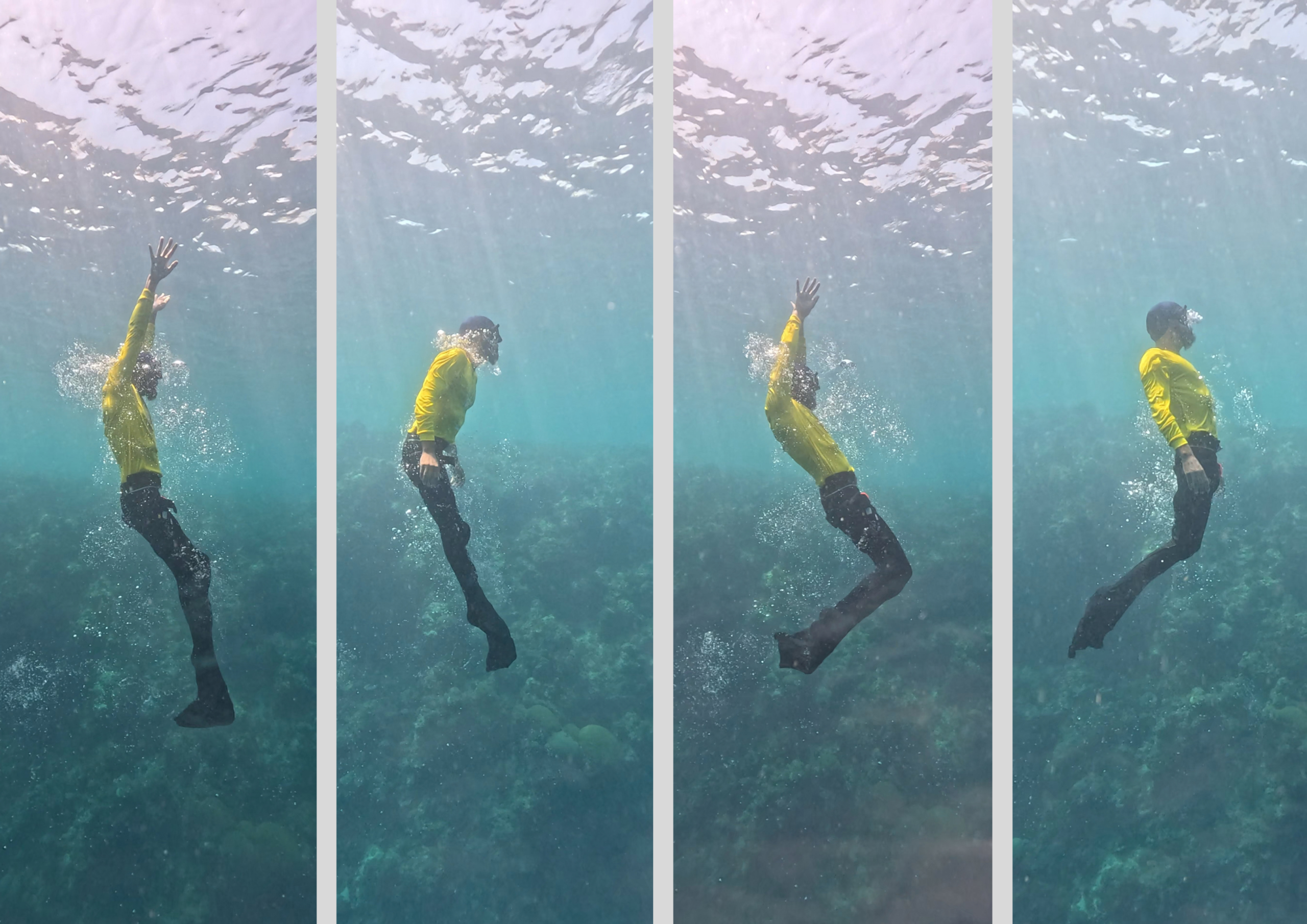
Practical by Design
Small features matter when the water is open.
Positive Buoyancy
A built-in buoyant element helps AquaQi remain positively buoyant if it is released in the water.
One-Pull Release
The main release is positioned at the waist, within natural hand reach, so removal does not require reaching down to the feet.
Reflective Details
Reflective pull tabs help identify adjustment points and add another visual reference in low light.
Internal Orientation Marker
A bright internal marker helps identify the inside and opening orientation when putting AquaQi on in the water.
The Quieter Side of HydroFlow
Depth is not only about power.
Freediving often becomes most interesting when unnecessary movement begins to disappear.
AquaQi gives the diver a way to explore that quieter side of propulsion — feeling how little movement may be needed to tension the fabric and continue the wave.
For some divers, that can turn the descent into something less mechanical and more connected to rhythm, body awareness and flow.
And Then It Clicks
Eventually, you stop thinking about the skirt.
At first, you notice the fabric.
You notice when it loads. When it loosens. When the legs open too far. When the body wave arrives too early or too late.
Then the movement begins to organize itself.
The fabric becomes quieter.
The body begins carrying the wave.
And instead of thinking about propulsion, you begin noticing the water moving past you.
AquaQi Freediving
Less blade. More body. More water.
A soft fabric fin system for divers who want another way to explore depth.
Freediving just became much softer.
Take AquaQi to the Water
One more option in the bag can change the whole water day.
Travel with it, train with it, keep it as a backup or make it the system you choose when you want a softer relationship with propulsion.
Explore Further